The World Bank's Mode Effects and Climate Adaptation Survey

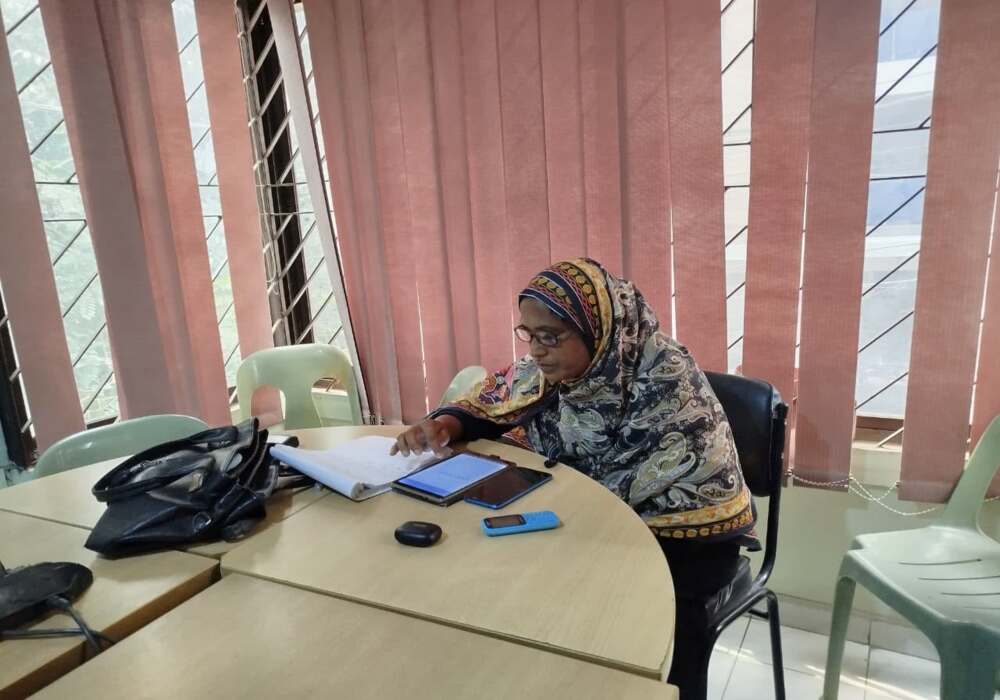
We are pleased to announce the successful completion of Round 0 (R0) and Round 1 (R1) of the World Bank’s Mode Effects and Climate Adaptation Survey in Bangladesh.


What began as an ambitious study examining differences in data quality between phone and face-to-face surveys evolved into a highly sophisticated experimental research design. As the project progressed, multiple layers of randomization and experimental procedures were introduced to better understand how survey mode, timing, and field implementation affect data quality and measurement outcomes.

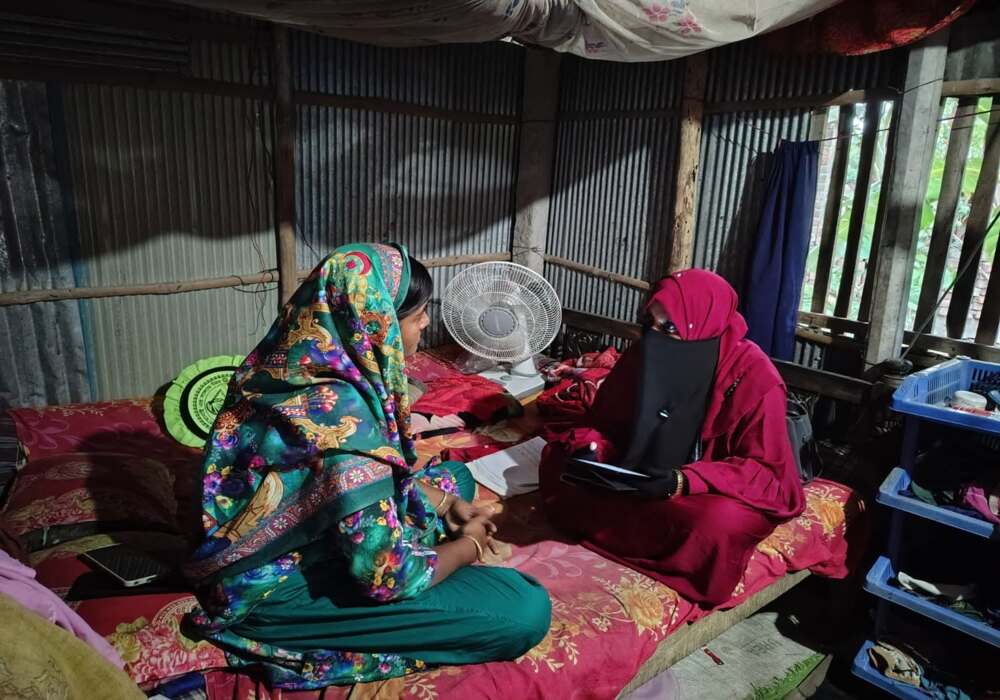
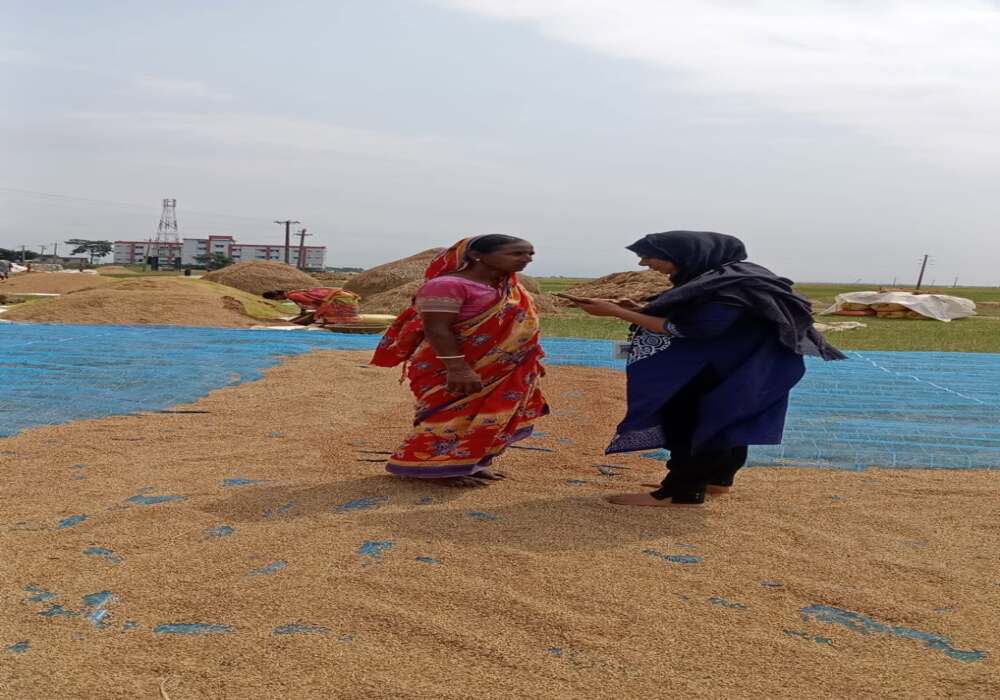
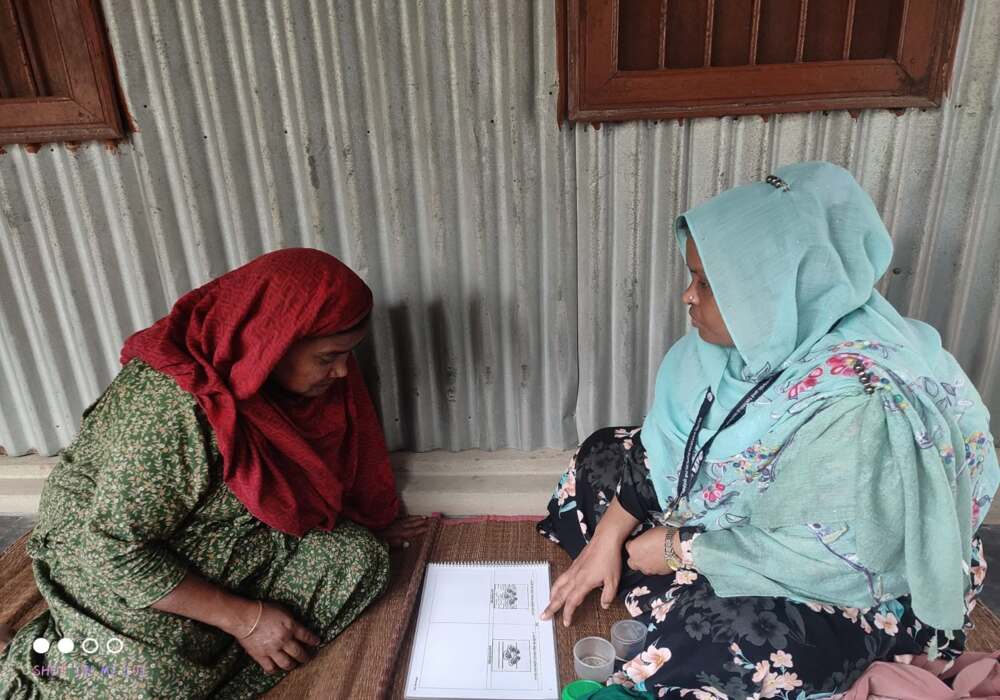
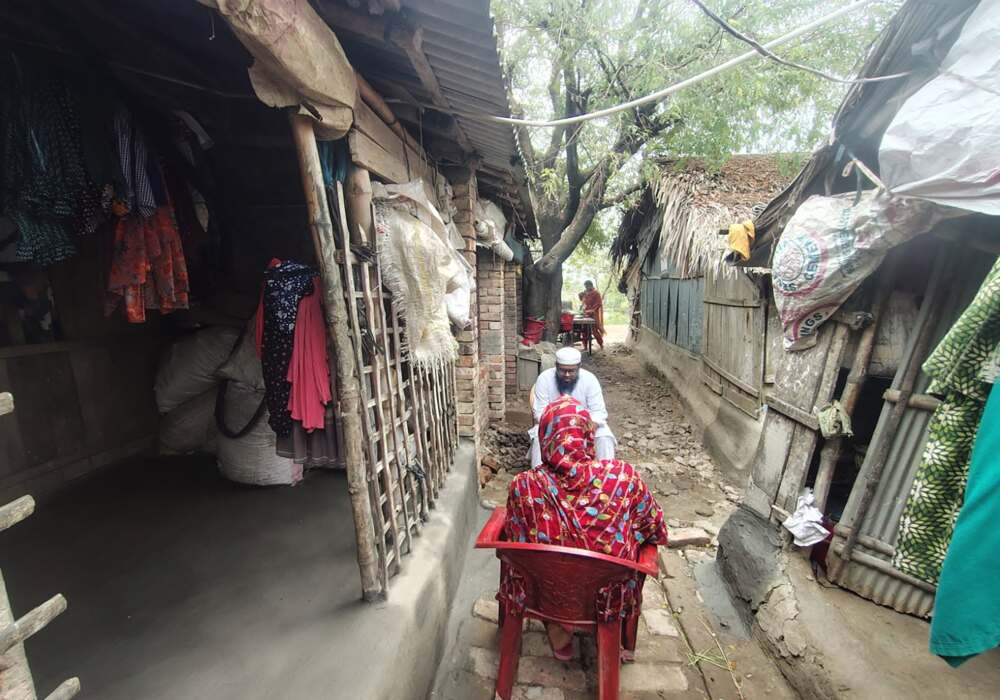
The R0 survey consisted of comprehensive face-to-face interviews with 1,500 households across 50 Primary Sampling Units (PSUs), with two respondents interviewed from each household. In R1, the sample was split equally between phone surveys (750 households) and face-to-face surveys (750 households). To further strengthen the experimental design, interview timing was also randomized, allowing researchers to examine whether the time of day influences survey responses and data quality.

The greatest challenge of the study was not simply conducting two consecutive survey rounds—it was conducting them simultaneously. DATA implemented an innovative rolling field strategy, completing the R0 survey in three PSUs while simultaneously conducting the R1 survey in those same PSUs within a nine-day window before moving on to the next batch of locations. Through this process, DATA successfully completed both R0 and R1 across all 50 PSUs.
 
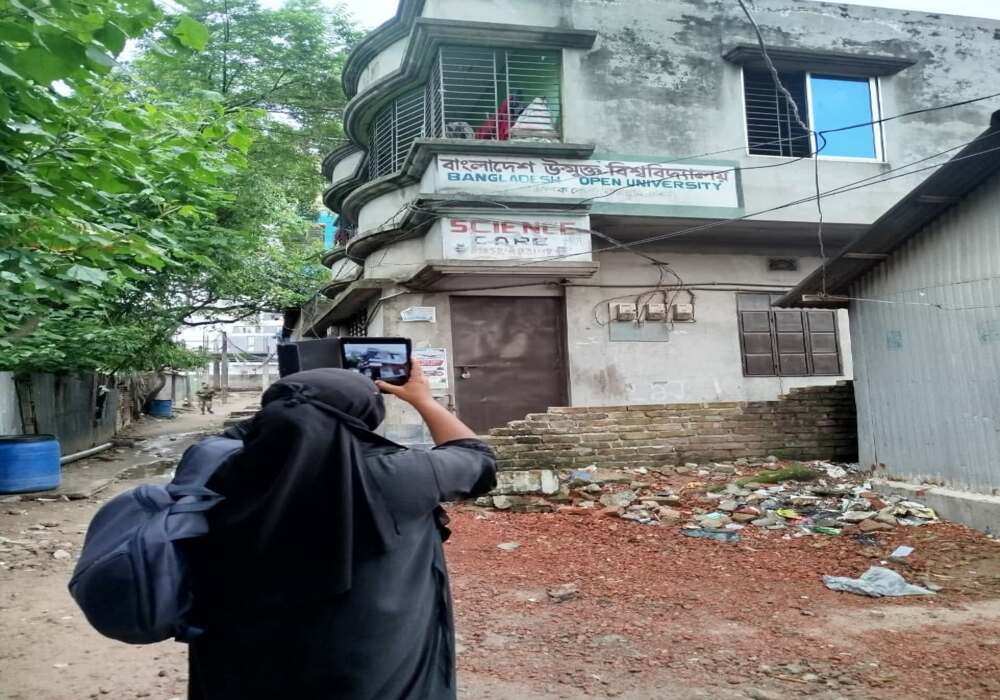
The survey was conducted across diverse geographical settings in Sunamganj, Satkhira, Sirajganj, and Dhaka. A dedicated team of 36 field officers carried out the data collection effort, supported by specialized monitoring and audio-auditing teams to ensure the highest standards of data quality and research integrity.
 
Before deployment, every member of the field team underwent an intensive month-long training program, preparing them for the complex protocols and rigorous quality assurance procedures required by this groundbreaking study.
This achievement reflects the dedication, professionalism, and resilience of our field staff, supervisors, monitors, data management team, and project leadership. We are proud to have partnered with the World Bank on a study that is expected to contribute important evidence to the growing global literature on survey methodologies, climate adaptation research, and the future of data collection in developing countries.
 
As we celebrate this milestone, DATA is already gearing up for Round 2 (R2) of the survey. The next phase will continue to build on the innovative research design and generate valuable insights into survey methodologies and climate adaptation measurement. We look forward to sharing more updates on R2 and the progress of this exciting project in the coming weeks.
 
Congratulations to the entire DATA team for another successful milestone in advancing high-quality development research.
 

You cannot copy content of this page